
Digital marketing strategies can be categorized by the platform used, whether searches are paid or organic, content type, media type, or approach. Common types of digital marketing include:
Search Engine Optimization (SEO)
It’s nearly impossible to discuss digital marketing without bringing up SEO. SEO is the process of increasing traffic to your website by using keywords to boost your site’s search engine rankings. The higher up you are in the search rankings, the greater your chances are of being visible to your target consumers. Marketing experts spend countless hours and endless resources developing SEO strategies so that a website gets to the top of a Google search.
Paid Search
Also known as PPC (pay-per-click) or Google Ads, paid search is ultimately designed to catapult your website to the top of a search by paying the search engine for ad placements on SERPs. Since the ads work on a pay-per-click basis, you only pay when your ad is clicked. Paid ads give you the ability to outperform your competition regardless of the size of your business.
Display Advertising
Display advertising combines text, images, and a URL that links to a website where a customer can learn more about and buy your products or services. There are many ad formats under the umbrella of display advertising. Most display ads contain text, an image, animation, or a video. Display ads can perform a variety of functions that range from product promotion to audience education.
Social Media Marketing
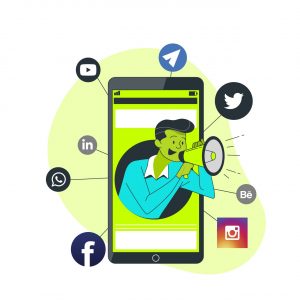
One of the most effective ways to interact with your audience is by creating a presence on social media. Platforms such as Facebook, Twitter, LinkedIn, Instagram, and YouTube can help you build your brand while cultivating a digital culture that grows organically. Social media marketing includes posting on your pages as well as paying for ads that show up in the newsfeed or margins. Social media platforms are also powerful marketing channels that drive traffic back to your website.
Content Marketing
Web developers and marketing teams use content marketing to create and distribute a valuable, relevant, and consistent message that attracts and retains a target audience. Its primary purpose is to call site visitors to action, which means buying your product or service. Written content is still the most important element in driving your message home.
Email Marketing
You can use email to promote your products and services as well as build customer loyalty. Email can make your customers aware of new products, discounts, and other services. It can also be a way to educate your audience on your brand or keep them engaged even when they’re not purchasing your product.
Influencer Marketing
In marketing, an influencer is someone who has an established dedicated social following and is viewed as an expert in their field. Influencer marketing uses endorsements and product ‘nods’ from influencers to give a company greater credibility and market reach. Influencer marketing works because of the high level of trust that social influencers have built up with their following, and recommendations from them serve as a form of social proof to your brand’s potential customers.